🐙Sandy Petersen: Mormon Faith, Monster Fanatic, and Dark Game Maker

🐙 Sandy Petersen: Game Designer and Horror Aficionado
Sandy Petersen is an American game designer, artist, and author, primarily known for his work in tabletop role-playing games, video games, and his deep, defining connection to the Cthulhu Mythos.
🏔️ Utah Roots and Mormon Background
- Birth: Born September 16, 1954, in St. Louis, Missouri — not Utah, but his Mormon upbringing puts him in a similar cultural lane as other LDS-raised creatives who went on to shape entire industries.
- Faith: Raised in The Church of Jesus Christ of Latter-day Saints. Petersen served a mission for the church in the Philippines.
- Education: Attended UC Berkeley with a focus on zoology — a background in biology and morphology that shows up later in how meticulously he designs creatures.
🎲 Tabletop Role-Playing Games: The Cthulhu Mythos Master
Petersen is best known for his foundational contributions to tabletop role-playing games, particularly within the horror genre.
Call of Cthulhu (1981)

- Role: Lead designer for Chaosium Inc.'s iconic Call of Cthulhu role-playing game.
- Impact: Translated H.P. Lovecraft's Cthulhu Mythos into a playable, rules-based system, establishing many conventions still used in horror TTRPGs today.
- Key contribution: Wrote the original rulebook, including core mechanics and the descriptions of the Mythos entities players still dread encountering.
Other Tabletop Work


- RuneQuest: Regular contributor to Chaosium's fantasy RPG.
- Stormbringer: Designed this RPG based on Michael Moorcock's Elric saga.
- Gangbusters: Also designed this 1920s gangster-themed tabletop game.
🎮 Video Game Development: Doom, Quake, and Beyond
Petersen later moved into video games, bringing his sense of horror pacing and atmosphere into some of the genre's biggest titles.
id Software (1993–1997)


- Doom (1993): Designed levels known for their intricate layouts and atmospheric dread.
- Doom II: Hell on Earth (1994): Designed several additional levels.
- Quake (1996): Designed numerous levels, shaping its dark fantasy/horror aesthetic.
- Quake II (1997): Contributed to development.
Ensemble Studios (1997–2009)

- Age of Empires series: Worked on Age of Empires, II, and III, contributing to design and balance.
- Halo Wars (2009): Ensemble's final project, an RTS set in the Halo universe — Petersen was involved in its design.
Return to Tabletop and Video Games (Post-2009)

- Petersen Games: Founded his own company, publishing new Call of Cthulhu expansions, Cthulhu Wars, and Gods War.
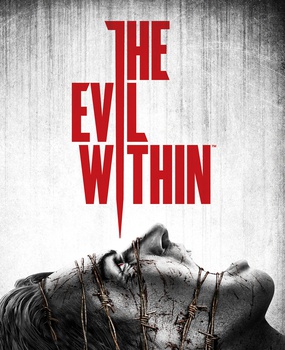
- The Evil Within (2014) & The Evil Within 2 (2017): Worked as a consultant for Tango Gameworks on these survival horror titles.
🎨 Art and Authored Works

- Illustrator: Contributed illustrations to various game publications, often depicting Cthulhu Mythos entities.
- Author: Wrote numerous articles and supplementary materials for RPGs and Mythos-related fiction, known for meticulous creature and lore detail.
🤔 The Juxtaposition: Mormon Faith and Horror Gaming
Sandy Petersen's career presents a notable contrast worth sitting with.
- Religious devotion: Petersen has maintained active membership in the LDS Church throughout his career, including his mission in the Philippines.
- Professional focus: His creative output centers on horror, cosmic dread, demonic entities, and apocalyptic scenarios — Call of Cthulhu, Doom, Quake.
- Cultural expectations: LDS culture broadly leans toward family-friendly media and tends to discourage occult or horror content.
- How he squares it: Petersen has spoken publicly about compartmentalizing his faith and his work, treating horror design as creative fiction rather than something in conflict with his beliefs.
🌎 Geographical Movements and Key Locations
- St. Louis, Missouri: His birthplace.
- California Bay Area (Berkeley): Studied here, a period that overlapped with his early involvement in tabletop RPGs and Chaosium's rise.
- Mesquite, Texas: Home to id Software during Doom and Quake development — his shift into video games.
- Dallas, Texas: Continued his video game career at Ensemble Studios, focused on RTS titles.
- Petersen Games (Texas): His own company, keeping him rooted in Texas for later tabletop and video game work.
👑 Horror Gaming Auteur and Cthulhu Mythos Authority
- Cthulhu Mythos expert: His work on Call of Cthulhu cemented his reputation as one of gaming's leading authorities on translating cosmic horror into interactive form.
- Impact on horror games: His design work on Doom and Quake helped shape the sense of dread and atmosphere that influenced later horror and action titles.
- Dual-discipline master: Few designers have left a lasting mark on both tabletop and video games — Petersen is one of the rare ones who has.
- Distinctive narrative: His career-long focus on eldritch horror sits in sharp, interesting contrast with his personal life as a devout Latter-day Saint.
Whatever you make of the contrast, Sandy Petersen's résumé speaks for itself: he helped define an entire genre of horror gaming, on the tabletop and on screen, all while staying rooted in a faith community that doesn't typically go looking for eldritch gods.


Comments
Post a Comment